Plaster Board and Cement Board

Plaster Board and Cement Board - 1
1 / 2

Details

Type
Ceiling

Plaster Board and Cement Board Highlights

  • Moisture and Mold Resistance: Cement board offers superior resistance to moisture and mold, making it ideal for areas prone to water exposure. Plaster board can be susceptible to moisture damage if not properly treated or protected.
  • Fire Resistance Properties: Both plaster board and cement board can offer good fire resistance. Cement board, in particular, is often chosen for its non-combustible nature, contributing to building safety.
  • Durability and Strength: Cement board is known for its exceptional durability and strength, providing a stable and robust substrate for finishes. Plaster board's strength can vary depending on its core and facing materials.
  • Installation Considerations: Cement board is typically installed with screws and thin-set mortar, offering a rigid base for tiles and other finishes. Plaster board is usually attached with screws and is often finished with joint compound.
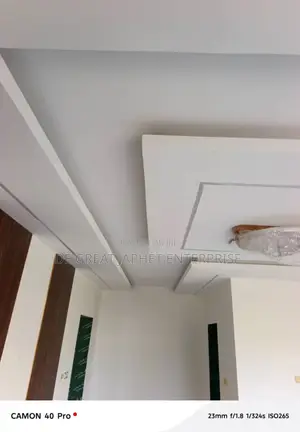
  • Ceiling Application Suitability: Both materials can be used for ceilings, but cement board is often preferred in areas where moisture or impact resistance is a concern, such as bathrooms or kitchens. Plaster board is a common choice for standard interior ceilings.

Description

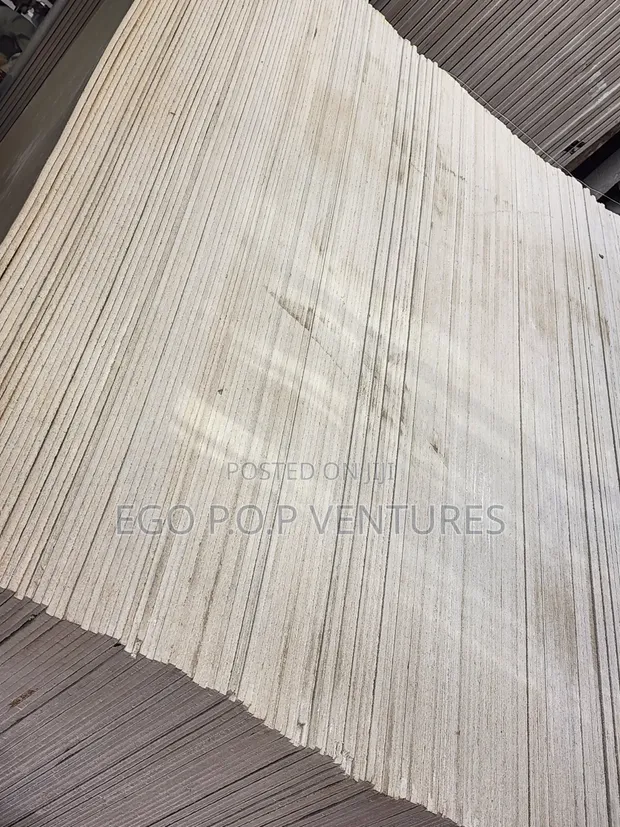
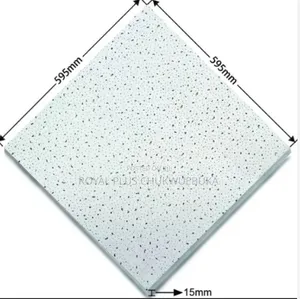
• Plasterboard (Gypsum Board) suitable for interior ceilings and walls. • Cement Board (Fibre Cement Board) designed for moisture-prone areas like bathrooms and kitchens. • Standard sizes available, inquire for specific dimensions. • Both offer a smooth surface for finishing and painting. • Ideal for new builds and renovations in residential and commercial projects. • Offers good fire resistance properties. • Stored in a dry environment to maintain quality.