Roadside Drainage Chamber Construction

Roadside Drainage Chamber Construction - 1

Details

Type
Construction

Roadside Drainage Chamber Construction Highlights

  • Expert Site Assessment: Proper roadside drainage chamber construction begins with a thorough assessment of the site's topography, soil conditions, and expected water flow. This ensures the chamber is designed to effectively manage runoff and prevent erosion.
  • Durable Material Selection: Construction typically utilizes robust materials like reinforced concrete, precast concrete sections, or durable plastics. These materials are chosen for their resistance to water, soil pressure, and environmental degradation.
  • Compliance with Regulations: Roadside drainage systems must adhere to local building codes and environmental regulations. This includes proper sizing, depth, and outlet design to meet safety and ecological standards.
  • Effective Water Management: The primary function is to collect and channel surface water away from roadways, preventing water accumulation that can lead to hazards like hydroplaning and structural damage to the roadbed.
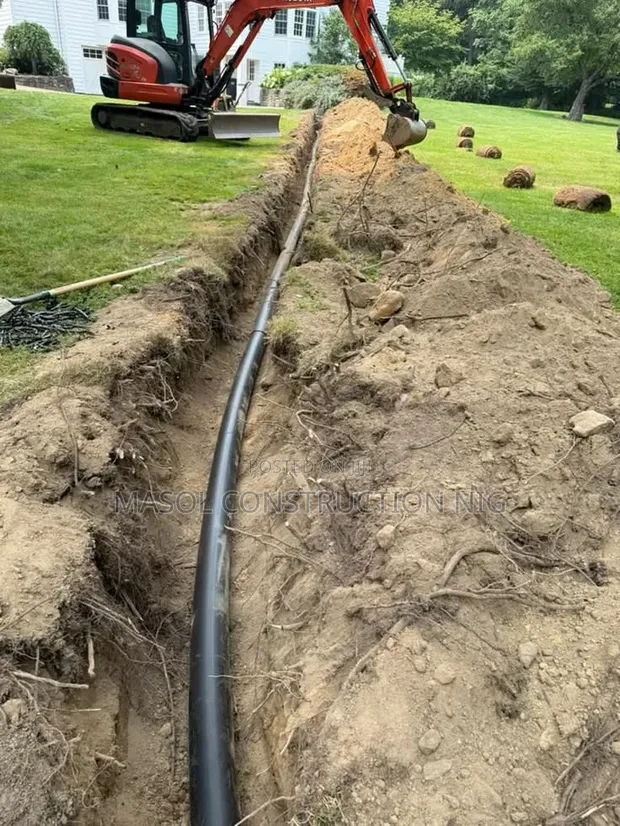
  • Installation Precision: Accurate placement and secure installation are critical. This involves proper excavation, foundation preparation, and connection to existing or planned drainage networks to ensure long-term functionality.

Description

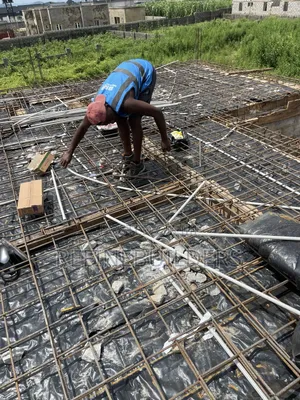
• Construction of concrete drainage chambers for roadside water collection and management systems. • Designed to prevent waterlogging and erosion along roadsides. • Includes excavation, formwork, reinforcement, and concrete pouring. • Standard chamber dimensions: 1.2m x 1.2m x 1.5m (customizable). • Service area: Dakwo District and surrounding areas. • Masol Construction has 10 years of experience in civil infrastructure projects. • Project completion time varies based on site conditions and scale. • Materials and labor included; permits and site surveys are separate.