Golden Penny
₦ 170,000
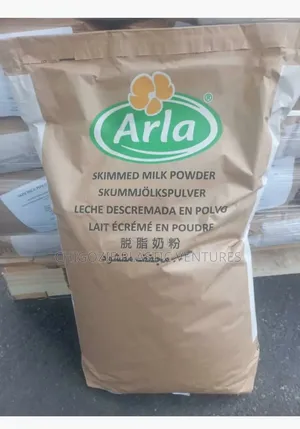
Golden Penny Skimmed Milk Powder
Isolo • 13 h ago
Based on 265 similar listings
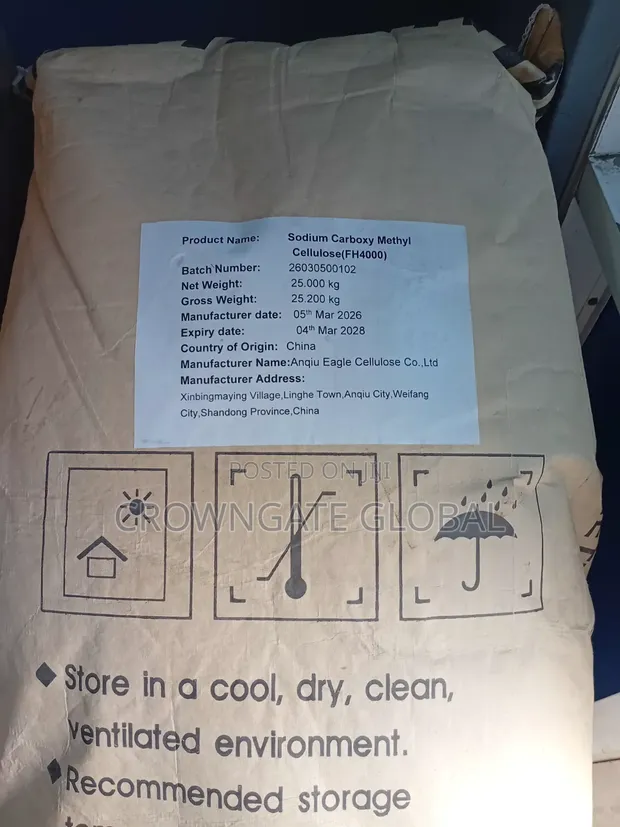
• Food-grade Sodium Carboxymethyl Cellulose (CMC) powder. • Acts as a thickener and stabilizer in food products like ice cream, sauces, and baked goods to improve texture and moisture retention. • In pharmaceuticals, it functions as a binder and disintegrant in tablets, aiding proper breakdown in the digestive tract. • Utilized in personal care and household products such as toothpaste, lotions, and detergents to control liquid flow and enhance texture. • Also used in paper manufacturing for liquid flow control and texture improvement. • Raw form, suitable for industrial and food processing applications. • Stored in a dry environment to maintain quality.
 This item This itemSodium Carboxymethyl Cellulose (CMC) ₦ 175,000 | 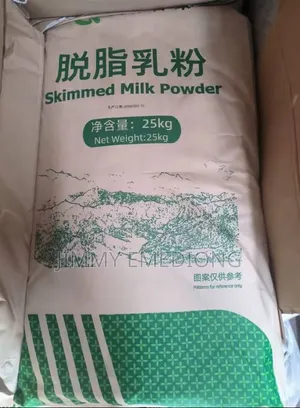 Golden Penny Skimmed Milk Powder ₦ 170,000 | 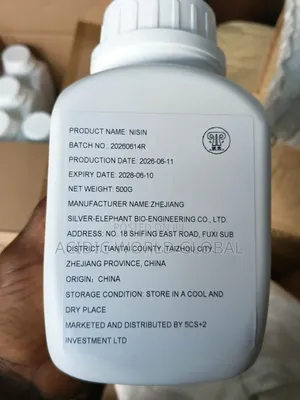 Food Grade Raw Materials & Additives Supplier ₦ 125,000 | |
|---|---|---|---|
| Type | Other | Bakery Products | Other |
| Dietary Needs | Raw | Low Fat | Other |
| Price | ₦ 175,000 | ₦ 170,000 | ₦ 125,000 |
₦ 170,000
₦ 125,000
₦ 210,000
₦ 130,000
₦ 180,000
₦ 162,500
₦ 170,000
₦ 125,000